
Sicilian Pickled Eggplant
- Pickles, Chutney, Relish & Sauces
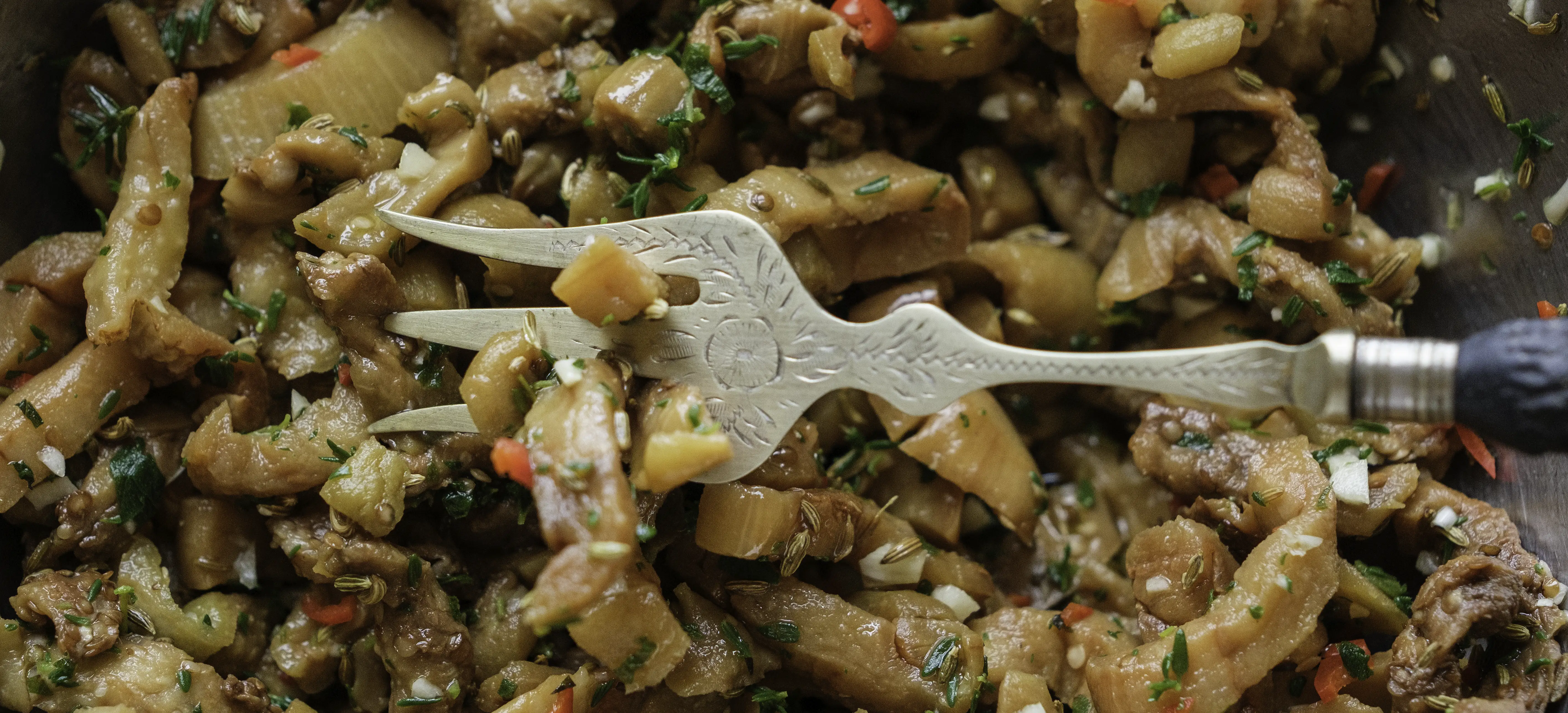
Traditional homemade Sicilian pickled eggplant is my favourite summer preserve. When the eggplants are abundant, this simple, no cook recipe is ideal to prepare during hot summer days. Choose small to medium eggplants with smooth, tight shiny skins. They will be sweeter, have less internal seeds and produce a crisp moorish pickle that you will find an excuse to use at every meal. Serve as part of an antipasto, in sandwiches and panini, on pizza, or scattered over a fresh green salad. It also makes a perfect culinary gift for family and friends.
- Preparation Time:
- 30 minutes
- Cooking Time:
- 24 hrs plus a further 12 hrs to marinate
- Quantity:
- 1 x 600ml
PREPARATION
Sterilise wide-mouth glass jars and lids with a protective lining. Have the jars and lids dry, at room temperature or as specified in the recipe and ready for the bottling stage. Here’s my quick reference guide to sterilising containers.
INGREDIENTS
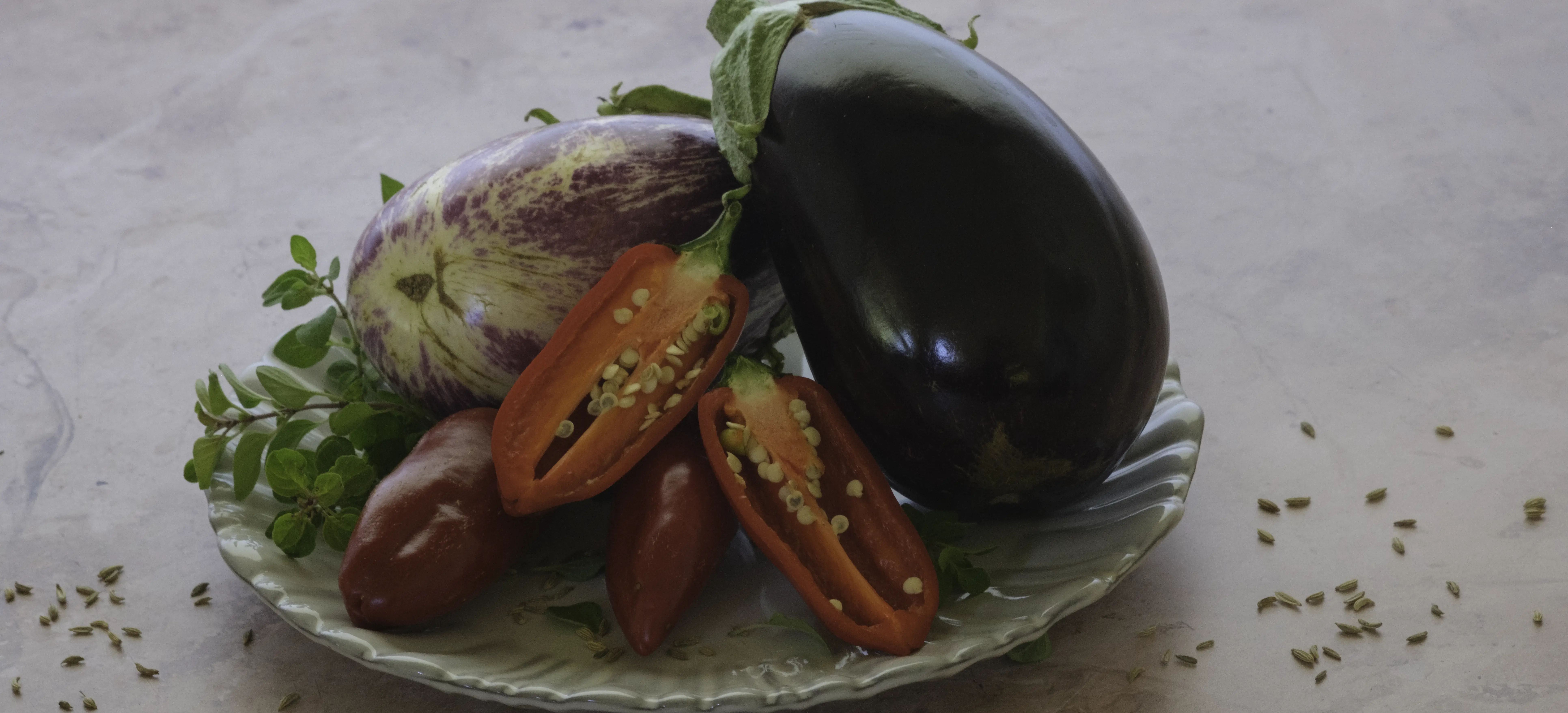
- 1.5kg
- Eggplant
- 100g
- Cooking salt
- 500ml
- White wine vinegar
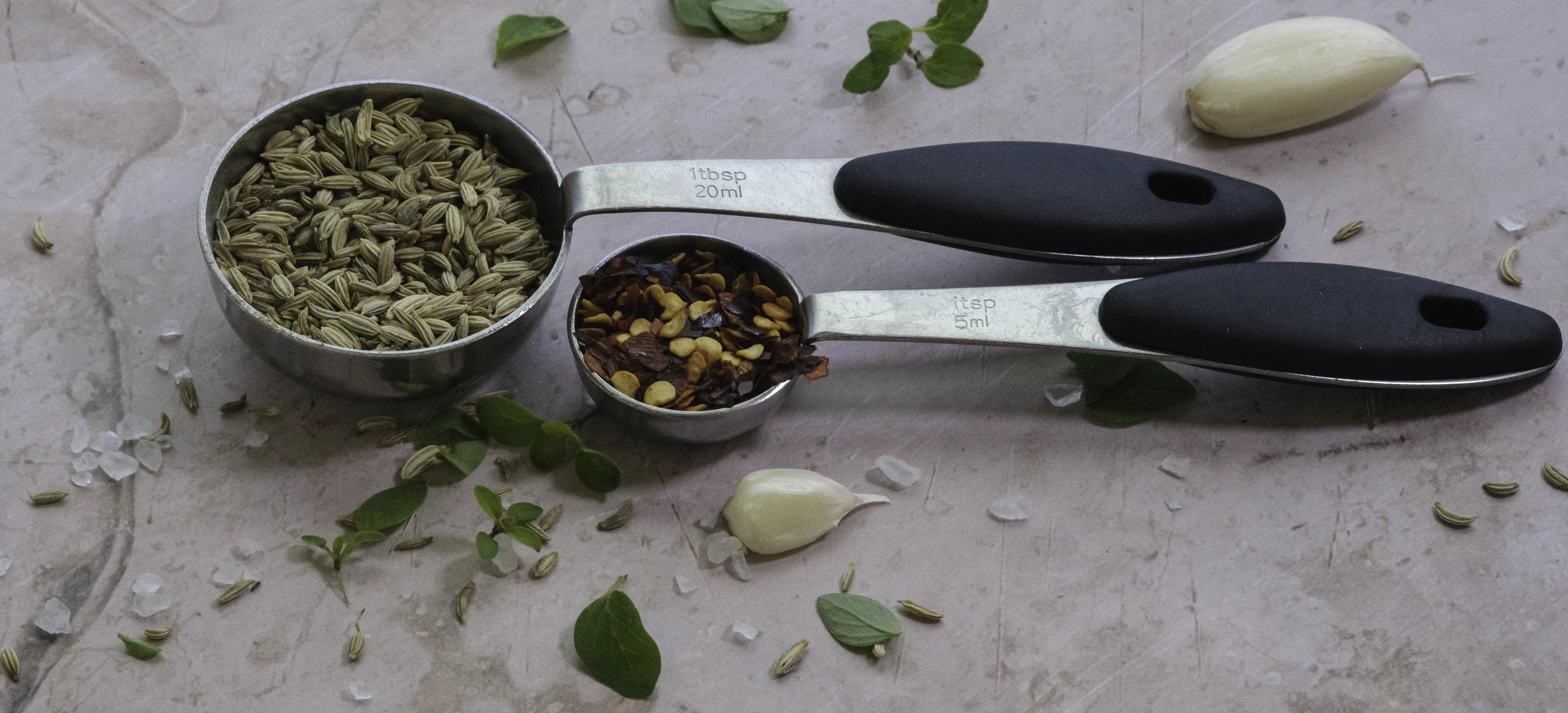
- 1 teaspoon
- Chili flakes, optional
- 3 cloves
- Garlic, finery chopped
- 3 teaspoons
- Fennel seeds, whole
- 3 teaspoons
- Oregano, dried
METHOD
Gently wash the eggplant to remove garden or shop debris. Place on a clean tea towel or absorbent kitchen paper to remove any excess moisture. Remove any damaged or bruised areas.
Remove the top and tail end and peel the eggplant. Then slice lengthwise into 3-4mm thick slices then cut crosswise into strips. Using a glass or stainless-steel bowl layer the peeled eggplant strips with salt. Finish with a layer of salt. Place a plate on top so that it fits inside the bowl. Place an approximate 5kg weight on top, such as tinned products. Check to make sure the weighted plate presses down on the eggplant.
Cover with kitchen film or a clean dry tea towel and leave in a cool dark place for 24 hours. A dark salty liquid will be produced. This is normal.
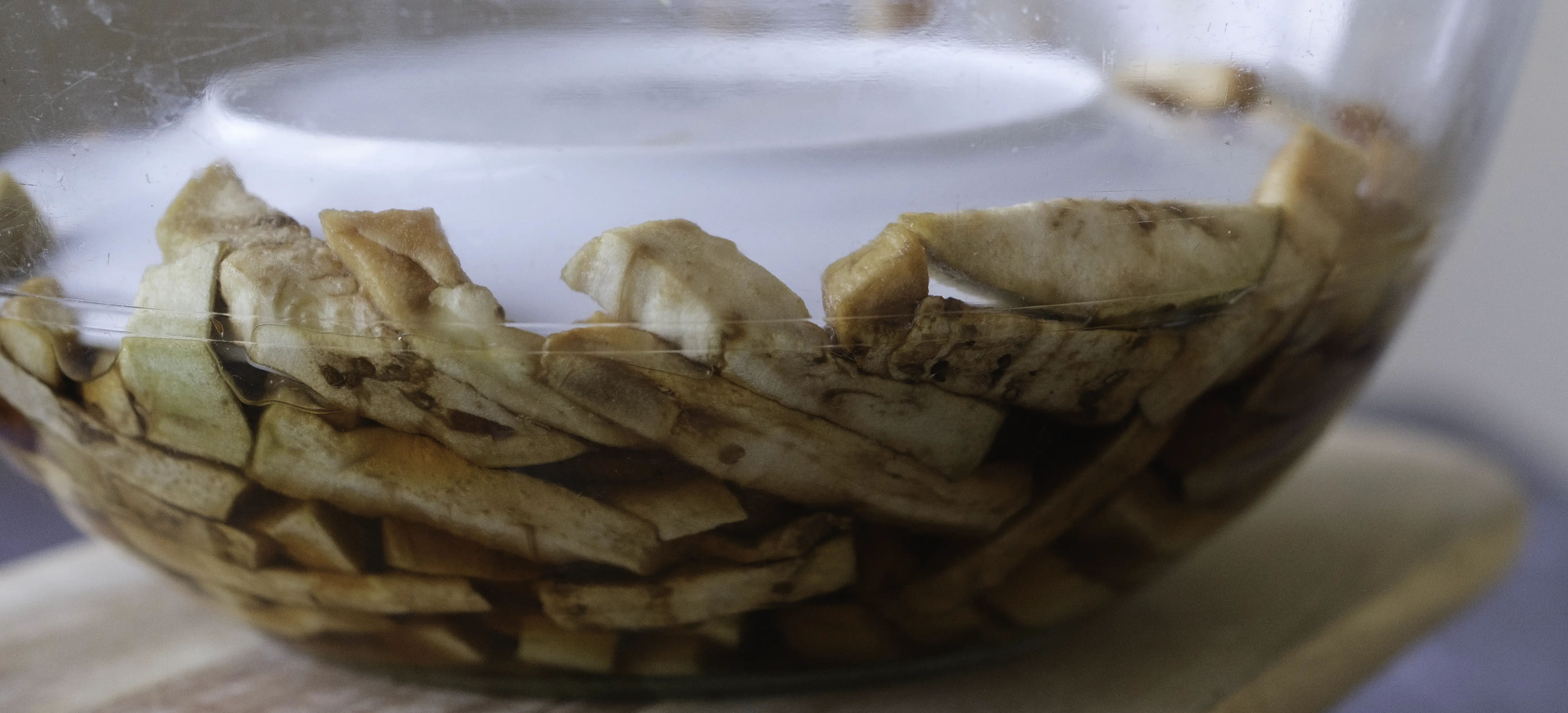
After 24 hours, remove the weights and drain the eggplant. Loosen the eggplant mass and squeeze the eggplant in small batches to remove the excess liquid. At this point the strips will taste salty and have a spongey texture.
Return the eggplant to a clean glass or stainless-steel bowl and pour over the vinegar and mix thoroughly. Allow to stand for approximately 1 hour, so the eggplant absorbs the vinegar. Replace the plate and weigh down for another 12 hours in a cool dark place.
Drain off the excess vinegar and once again squeeze the strips by hand and place in a clean bowl.
Add the finely chopped garlic, dried oregano, chilli to taste and fennel seeds. Mix thoroughly.
Using a dry, sterilised screw top or clip down wide neck jar, pour in 2-3 tablespoons of good quality virgin olive oil. Add some eggplant mixture, then a small amount of additional olive oil as you press the mixture down.
Repeat and fill to 2 cm from the top of the jar ensuring the eggplant and olive oil is evenly distributed throughout the jar and there is no eggplant mixture above the oil level. Seal immediately with cooled sterilised lids.
Label and store in a cool dark place. After 2-3 days check that the eggplant is still completely submerged under the oil. Top up with additional oil if required.
Leave in a cool dark place to mature for 3 months before using. Once opened, store in the fridge and use within 12 months. Always use clean cutlery to remove the pickled eggplant and ensure the eggplant mixture is completely submerged under the olive oil.
NOTES
- Select small to medium sized firm eggplants that do not contain a lot of seed. The eggplant should feel heavy and have a shiny taught skin. Do not use old, soft wrinkly eggplant as it will produce an inferior preserve. A combination of peeled and unpeeled eggplant can be used to create a more colourful pickle.
- Good quality jars
- Good quality jars should be used in all preserving, particularly when they are sterilised in a hot water bath as thin jars often cannot withstand the temperatures and may crack either in the bath or on/or after removal.
- Avoid the disappointment and invest in good jars from a homewares or preserves outlet.
- Select jars that have non-reactive lids as the vinegar solution can cause the lids to rust over time.
- Types of Salt
- There are many different types of salts on the market, and each has different characteristics.
- Use good quality pickling salt when making pickles and preserves. Many commercial salt brands contain stabilisers and anti-caking agents and often iodide which forms a whitish haze and sediment.
- These additives and in particular iodine can affect the appearance and taste of pickles and preserves during the maturation and storage period. The ingestion of a cocktail of anti-caking chemicals such as calcium silicate, sodium silicoaluminate, tricalcium phosphate, magnesium carbonate, silicon dioxide and yellow prussate of soda, is also unnecessary.
- Read the label before buying and look for salt that is free from any artificial additives. My favourite salt is Olsson Cooking Salt. No commercial benefit is received from Olsson Salt.
- Lite Salt may be used in quick pickle recipes; however, it may result in a slightly different taste than expected.
- The natural calcium and magnesium impurities of unrefined sea salt help to cross link and reinforce the cell wall pectin’s, creating a crisp pickle.
- Types of Vinegar
- The type and colour of vinegar used will affect the final colour and flavour of the preserve. Malt vinegar will produce a very dark brownish preserve with a more earthy/molasses background flavour, while white wine vinegar or apple cider will produce a fresher and brighter flavour.
- White vinegar is used in this recipe, so the eggplant strips retain a vibrant colour and flavour from the herbs.
- Preserving in Oil
- Preserving under oil is a common and versatile Mediterranean method to preserve vegetables, fish, and meat.
- Comprised of a two-part process (1) cooking or marinating in vinegar, oil or brine and then (2) sealing in oil to protect the preserve from air and bacteria.
- Once prepared the preserve must remain below the level of the oil at all times.
KNOW YOUR SPICES
- Chilli (Capsicum annuum Capsicum frutescens and several other species)
- It is important to wash your hands thoroughly after handling and de-seeding chillies or dried chilli products. Chilli oil is easily transferred from the chillies to hands. If you touch your eyes or any delicate areas, the chilli oil will be transferred on contact and create a burning sensation.
- Dried chili develops an earthy, woody, and nutty flavour complexity that is rare among other herbs and spices.
- Why is Chilli so hot? The legendary heat comes from a natural compound, capsaicin, which develops and is concentrated in the white pith with some migrating to the seeds. The amount of capsaicin a chili contains depends upon the Chilli variety and growing condition. High temperatures and drought can increase capsaicin production as the chilly ripens. To control and reduce the amount of heat, use the most appropriate variety and amount of Chilli, remove as much or little of the white membrane and seeds and vary the length of contact time with other ingredients while cooking to suit your taste.
- Chilli heat or pungency is measured in Scoville Heat Units (SHU) which was developed in 1912. The higher the Scoville rating the hotter the chilly. The ubiquitous Jalapeno varies between 2,500 – 10,000 SHU which is mild compared to the Habanero and Scotch Bonnets 80,000 – 150,000 SHU or the hottest Chilli in the world, the Carolina Reaper, which has been measured at 2million SHU! Aptly named the Reaper; use with extreme caution. SHU was developed in 1912.
- Fennel (Foeniculum vulgare)
- A hardy and herbaceous plant, its seeds are collected from the flowers which are threshed, cleaned, and dried.
- The seeds vary in colour from sage green to yellow brown. It has a mild aniseed flavour and is used in sweet and savoury foods.
- Native to the Mediterranean, it’s cultivated throughout Europe, Türkiye, Japan, Argentina, North America, and California.
- Garlic (Allium sativum)
- Raw garlic has a sharp acrid taste, however when cooked it takes on a sweeter flavour and is not overpowering.
- It has the unique ability to heighten the flavour of the ingredients it’s combined with and is indispensable in the kitchen. The way garlic is prepared will affect its flavour profile.
- There are two types of garlic-hardneck and softneck. Hardnecks grow with a stem that comes from the centre of the bulb and when harvested and cured, the stem becomes rigid and easily identifiable when pulling the cloves off. Softnecks have leaves rather than a central stalk, so there is no rigid stem in the middle of the bulb.
- Fresh garlic should be stored in loose netting or basket in a cool, dry, and well-ventilated place. Do not store in a paper bag.
- Garlic’s flavour, pungency, and moisture content will deteriorate over time. Dried garlic and garlic powder are available and should be stored in an airtight container.
- Oregano (Origanum vulgare)
- Native to the Mediterranean, oregano has been cultivated for centuries as both a flowering and a strewing herb. Strewing herbs were scattered across floors for their fragrance and, in some cases, their cleansing or pest-repelling properties. This practice was common in England from the Middle Ages to the 18th century. Today, oregano is used mainly in Mediterranean cuisines.
- Oregano is a perennial that thrives in most climates. It grows to about 60 cm tall and has rounded leaves covered with fine hairs. Its flavour is pleasantly distinctive, sharp and peppery.
- Store dried oregano in an airtight container away from heat, light and humidity; it will keep for about one year.